How Clothing Sellers Can Use Price Tracking to Stay Competitive in 2025
Clothing pricing changes fast. Learn how fashion sellers use PriceSense to track competitors, boost sales, and protect margins in 2025.
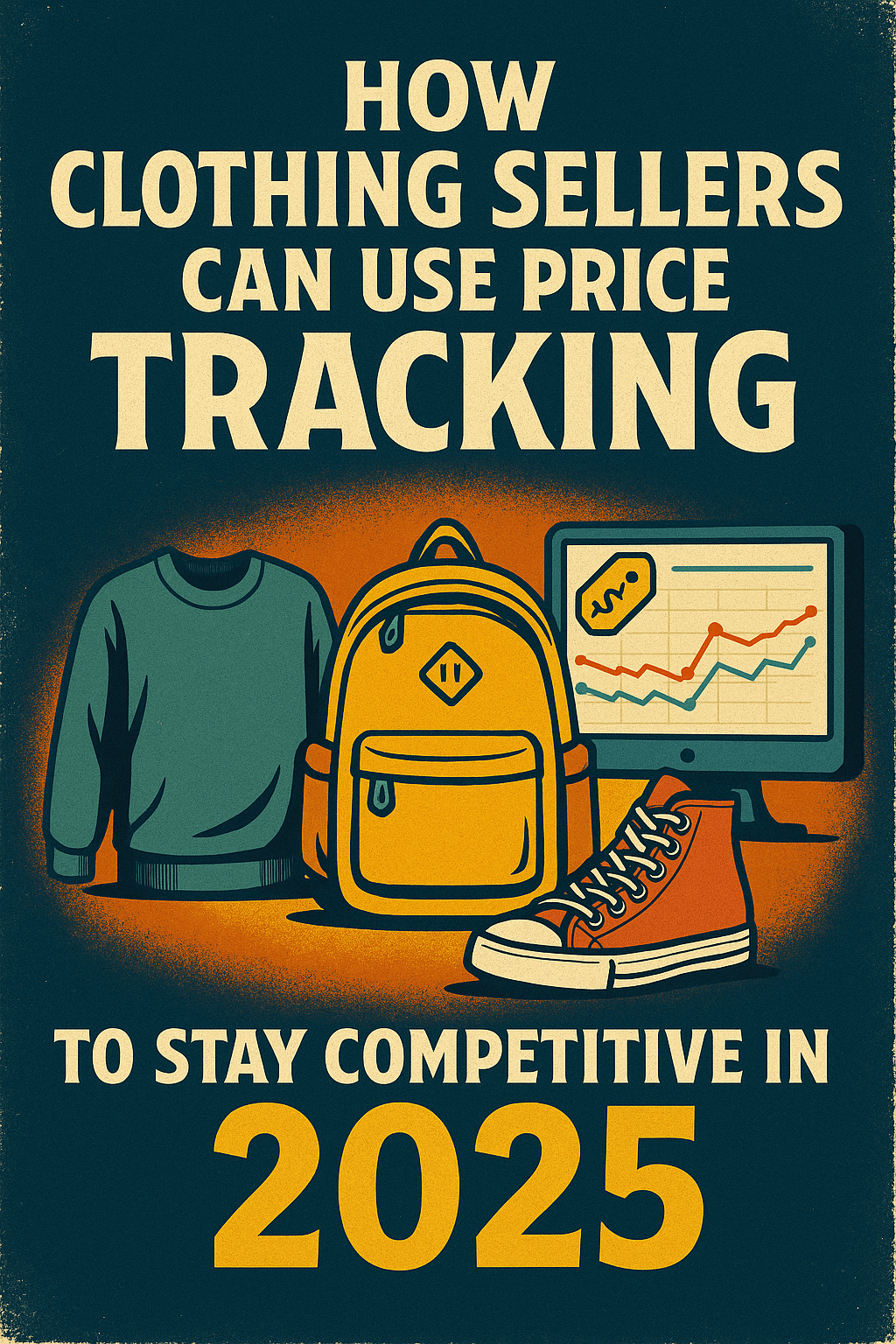
How Clothing Sellers Can Use Price Tracking to Stay Competitive in 2025
The fashion industry moves fast — and clothing sellers know it better than anyone.
Trends shift weekly. Competitors launch flash sales overnight. Big retailers like Zara, H&M, ASOS, Amazon Fashion, and Shein run dynamic pricing systems that update hundreds of times per day.
If you're running a Shopify, WooCommerce, Wix, Etsy, or custom apparel store, keeping up with market pricing can feel impossible.
That's where price tracking becomes your competitive advantage.
Whether you sell streetwear, basics, high-end apparel, activewear, or seasonal fashion items, using a tool like PriceSense helps you spot price drops, avoid underpricing, monitor trends, and time promotions perfectly — without killing your margins.
This guide dives deep into how clothing sellers can use price tracking strategically to boost profits and outsmart competitors in 2025.
Why Pricing Is Extra Challenging in the Clothing Industry
Fashion pricing is influenced by:
- Fast-changing trends
- Seasonality and micro-seasons
- Fabric and manufacturing costs
- Oversaturation of similar products
- Flash sales + clearance culture
- Celebrity-driven trend spikes
- Rising competition from global marketplaces
Plus, 2025 shoppers compare multiple stores before buying — often in seconds.
With so much volatility, fashion sellers who don't track prices operate with a major disadvantage.
Why Clothing Sellers Need Price Tracking More Than Ever
Here's what price tracking solves immediately:
✔ Identify underpriced and overpriced products
If your joggers are selling for $39 while competitors sell similar pairs for $59, you're leaving money on the table.
✔ React instantly to flash sales
Competitors like SHEIN or Zara change prices fast. PriceSense sends alerts the moment they do.
✔ Keep margins healthy
By monitoring competitor prices, you know exactly when you can safely raise your prices — especially when competitors go out of stock.
✔ Understand seasonal patterns
Clothing has some of the most predictable cycles:
- Winter coats: peak in October–December
- Swimwear: peak in April–July
- Athleisure: stable but promotion-heavy year-round
- Back-to-school apparel: August–September
Tracking prices across seasons helps you plan ads, inventory, and promotions.
How Fashion Sellers Can Use PriceSense Step-by-Step
Step 1: Track Your Bestselling SKUs
Start with:
- Bestsellers
- High-margin items
- High-competition products
Examples:
- Hoodies
- T-shirts
- Yoga leggings
- Denim
- Dresses
- Sneakers
Add competitor URLs from Amazon, fashion boutiques, fast-fashion sites, or marketplaces.
Step 2: Watch Competitor Movements in Real-Time
PriceSense tracks:
- Price drops
- Flash deals
- Bundle offers
- Restocks
- Clearance phases
This helps you stay one step ahead:
- If a competitor starts a weekend sale → you get notified instantly.
- If they run out of stock → raise your price.
- If a trend spikes → adjust accordingly.
🖼️ Alt: PriceSense dashboard showing fashion SKU price comparison across retailers.
Step 3: Use Data to Build Better Promotions
Not all clothing discounts perform equally.
Examples:
- For basic apparel (tees, socks), 10–15% off often drives high volume.
- For premium apparel (coats, denim), 20–30% off may be expected.
- For accessories (caps, beanies, scarves), BOGO deals convert well.
PriceSense helps you learn which products competitors discount most — and when.
Stop guessing. Start matching what the market wants.
Step 4: Improve Your Ad Efficiency
Google Shopping and Meta (Facebook/Instagram) ads are heavily price-sensitive.
Price tracking helps:
- Avoid pushing overpriced items in ads
- Identify products where your price is more competitive
- Pinpoint bestsellers for ad scaling
- Catch competitor sales before your ad performance drops
Example:
If leggings drop from $29 → $19 on Amazon, your same product may become unprofitable to advertise… unless you adjust.
With PriceSense alerts, you'll know immediately.
Step 5: Raise Prices Smartly, Not Emotionally
Most sellers underprice clothing out of fear.
But if your competitors:
- Raise prices
- Sell out
- Offer worse shipping
- Offer no returns
You should absolutely raise prices.
PriceSense shows when it's safe to:
- Increase by $2–$5 (for basics)
- Increase by $10–$20 (for coats, denim, shoes)
Small increases add up fast.
Pricing Strategies that Work Best for Clothing Stores
🔥 1. Focus on High-Margin Trend Items
Trends like cargo pants, oversized hoodies, textured knits, and Y2K styles come with flexibility.
Track competitor prices for these items daily.
🔄 2. Use Dynamic Pricing During Trend Spikes
Example:
- A celebrity wears green cargo pants → demand spikes.
- Competitors raise prices 10–20%.
- You can safely ride the trend — without fear of overpricing.
📦 3. Bundle Apparel for Higher AOV
Bundling works extremely well in clothing:
- Outfit bundles
- Hoodie + jogger sets
- 3-pack tees
- Sports bra + leggings combo
Competitors' price drops often affect individual items — not bundles.
Use this to your advantage.
📉 4. Watch for Competitor Overstock
If a fashion competitor starts discounting repeatedly, it's often a sign of overstock.
This lets you:
- Wait out their discount wave
- Position your products as higher-quality
- Increase margins while they clear inventory
📆 5. Track Seasonal Discount Windows
PriceSense helps reveal optimal timing:
- Early fall: coats and knitwear spike
- Early spring: denim increases
- November: heavy discounts across categories
- January: biggest clearance month
Knowing competitors' patterns = stronger planning.
Real Example: Streetwear Store Using Price Tracking
A Shopify streetwear store tracks:
- 8 hoodie competitors
- 5 sneaker boutiques
- 6 oversized tee sellers
PriceSense alerts them weekly:
- When a hoodie competitor goes out of stock
- When Amazon drops prices for a similar tee
- When a boutique quietly raises prices for joggers
Outcome:
- They raise their bestsellers by $5–$8 with no drop in sales
- They time promotions exactly when competitors launch sales
- Their ad ROAS increases because price alignment improves CTR
This is the difference between guessing and knowing.
FAQs for Clothing Sellers Using PriceSense
Q: Can I track similar items, not identical ones?
Yes — as long as there's a product page.
Q: How many sellers can I track at once?
Free: 3
Premium: 5
Pro: 10
Q: Does this work with fast fashion?
Absolutely — fashion sees the fastest pricing turnover.
Q: Is this allowed/legal?
Yes — you're monitoring public product listings.
Q: Can I track bundles or sets?
Yes, any product page works.
Final Thoughts: Pricing Is the Most Underrated Lever in Fashion E-Commerce
Clothing sellers obsess over:
- Product photos
- Models
- Fabrics
- Influencers
- Website design
But pricing is often overlooked — even though it directly affects:
- Profit
- Ad performance
- Conversion rates
- Inventory turnover
- Brand perception
With PriceSense, clothing stores gain real-time visibility into market pricing — letting them:
- Adjust smarter
- Sell more
- Stay profitable
- Beat competitors effortlessly
🔥 Ready to master fashion pricing?
Start tracking competitor prices today
Join thousands of users optimizing their pricing strategy